Coptic Meet’s Favorite Recipes: Traditional Dishes for Every Occasion

Updated: Oct 27
Coptic Meet’s Favorite Recipes: Egyptian Food for Fasting, Feasts and Family
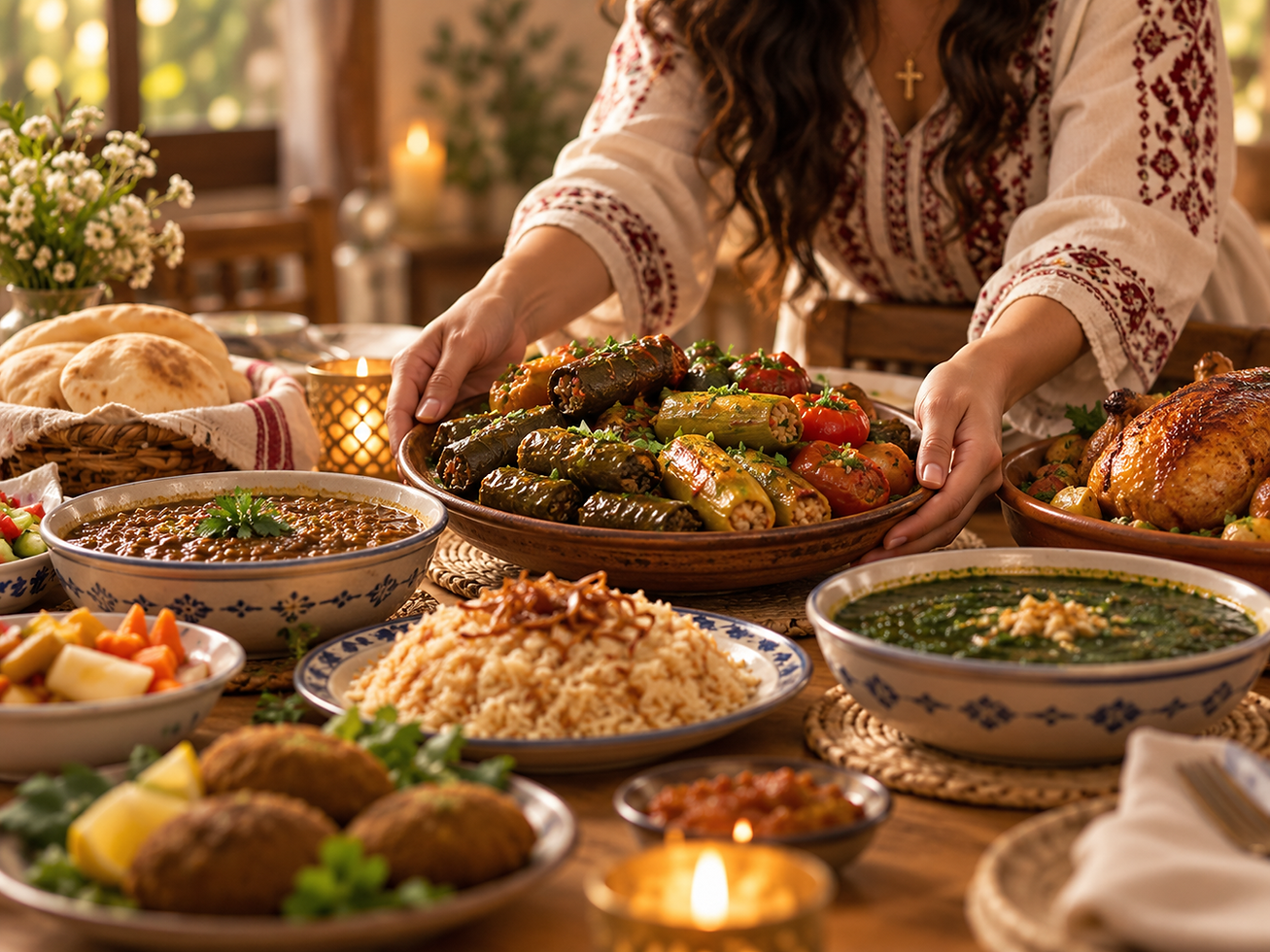
Food is one of the ways families carry memories across generations. In Egyptian Coptic households, a meal may bring relatives together after church, mark a feast day, welcome a guest, or make a long fasting period feel communal rather than solitary. There is no single menu shared by every Coptic family: recipes vary by region, family history, budget and personal taste. Still, Egyptian dishes such as koshari, lentil soup, mahshi and basbousa are familiar favorites in many homes.
This guide focuses on approachable recipes and the context around them. Fasting practices differ by church calendar and individual circumstances, so check the guidance of your parish or priest if you have questions about what is appropriate during a particular fast.
1. Koshari: a satisfying Egyptian classic
Koshari combines rice, lentils, pasta, chickpeas, tomato sauce and crisp onions. It is a beloved Egyptian street-food staple and is easy to adapt for a home kitchen. The components can be prepared ahead and assembled just before serving.
Ingredients (serves 4–6)
1 cup brown or green lentils, rinsed
1 cup rice
1 cup small pasta or broken spaghetti
1 can chickpeas, drained and rinsed
2 onions, thinly sliced
2 tablespoons oil, plus more as needed
1 can crushed tomatoes
2 garlic cloves, minced
1 teaspoon ground cumin
1 tablespoon vinegar
Salt, pepper and water as needed
Method
Cook the lentils in water until tender but not falling apart; drain.
Cook the rice separately. Boil the pasta according to its package directions and drain.
Fry or roast the onions until deeply golden and crisp. Drain on a paper towel.
For the sauce, gently cook the garlic in a little oil, add the tomatoes, cumin, vinegar, salt and pepper, and simmer for 10–15 minutes.
Warm the chickpeas. Layer rice, lentils, pasta and chickpeas in bowls, spoon over tomato sauce and finish with onions.
Make it your own: Keep each component separate for easier serving. A little chili sauce adds heat; extra vinegar gives the tomato sauce brightness. For a lighter meal, add a crisp salad. Check ingredient labels if you are cooking for someone with allergies.
2. Lentil soup: simple, warming and adaptable
Lentil soup is a practical meal for a busy week, a chilly evening or a shared table during a fasting period when prepared with suitable ingredients.
Ingredients (serves 4)
1 cup red lentils, rinsed
1 onion, chopped
1 carrot, chopped
1 potato, peeled and diced (optional)
1 teaspoon cumin
5 cups vegetable broth or water
1 tablespoon olive oil
Salt, pepper and lemon juice to taste
Method
Soften the onion and carrot in olive oil for about five minutes.
Add lentils, potato if using, cumin and broth.
Simmer for 20–25 minutes, until the lentils and vegetables are soft.
Blend until smooth if desired, adding water to adjust the consistency.
Season and finish with lemon juice.
For extra depth, add a little coriander or smoked paprika. Store leftovers promptly in the refrigerator and reheat thoroughly. If you are preparing food for a group, label common allergens and let guests know what is in the dish.
3. Mahshi: vegetables filled with seasoned rice
Mahshi refers to vegetables stuffed with a rice mixture; common versions use zucchini, peppers, eggplant or grape leaves. Recipes differ substantially between households, so treat this as a flexible home-style method rather than the one definitive version.
Ingredients
6–8 small zucchini or peppers, prepared for stuffing
1 cup short- or medium-grain rice, rinsed
1 small onion, finely chopped
2 tomatoes, finely chopped, or 1 cup crushed tomatoes
½ cup chopped parsley, dill or coriander, alone or in combination
1 tablespoon oil
Salt, pepper and cumin to taste
Vegetable broth or water
Method
Mix the rice with onion, tomato, herbs, oil and seasonings. Do not cook the rice first.
Fill each vegetable loosely, leaving room for the rice to expand.
Arrange the vegetables snugly in a pot and add broth or water until the liquid reaches most of the way up the vegetables.
Cover and simmer gently until the rice is cooked and the vegetables are tender, checking the liquid level as needed.
Use a recipe designed for the particular vegetable if you need exact cooking times. Mahshi takes patience, but the filling can be prepared in advance and family members can help with the assembly.
4. Basbousa: a semolina cake for sharing
Basbousa is a semolina cake often soaked with syrup and flavored with coconut, yogurt or other ingredients depending on the recipe. It appears in many Egyptian and Middle Eastern food traditions, with variations in texture and sweetness.
Ingredients
2 cups semolina
½ cup sugar
1 cup plain yogurt or a suitable plant-based alternative
½ cup melted butter or oil
1 teaspoon baking powder
Blanched almonds for topping (optional)
For the syrup
1 cup sugar
¾ cup water
A squeeze of lemon juice
Method
Heat the oven to 350°F (175°C). Grease a baking dish.
Combine semolina, sugar and baking powder. Stir in yogurt and melted butter or oil until evenly mixed.
Spread the mixture in the dish, score into squares and add an almond to each piece if desired.
Bake for approximately 30–40 minutes, until golden; ovens and pan sizes vary.
Simmer the syrup ingredients for 8–10 minutes and allow it to cool slightly.
Pour syrup over the hot cake gradually, allowing it to absorb before serving.
For fasting periods, use a version whose ingredients meet the guidance you follow; traditional recipes are not automatically suitable simply because they are associated with a feast or a particular community.
Food, fasting and hospitality
Coptic Orthodox fasting is a spiritual practice that includes prayer, repentance and self-discipline, not only a change in ingredients. Many fasting meals are plant-based, but the exact rules and pastoral guidance can vary by season and circumstance. People with medical needs, children, pregnant or nursing people, and others with particular health circumstances should seek appropriate guidance rather than making risky dietary changes.
Hospitality is also an important part of many family celebrations. If you are hosting, ask guests about allergies and dietary needs without making assumptions. Offer a few clearly described dishes, keep serving utensils separate when needed, and remember that generosity is not measured by how complicated the menu is.
Make the recipes part of a shared memory
A family recipe is often more than a list of measurements. Ask a parent, grandparent or relative why a dish is prepared on a particular occasion, how their version differs, or what they remember about learning it. Write down the method while you cook together; many treasured recipes begin with “a little of this” rather than exact amounts.
Whether you are preparing koshari for a weeknight, lentil soup for a simple meal, mahshi for a gathering or basbousa to share with guests, the point is not to reproduce every family's tradition perfectly. It is to cook thoughtfully, welcome people well and make room for the stories that gather around the table.
Related reading


Comments