A Beginner’s Guide to Coptic Traditions and Practices

Updated: Oct 27
Coptic Christianity, with its deep roots in ancient traditions and profound spiritual practices, offers a rich and vibrant experience for those exploring the faith. Whether you’re new to Coptic Christianity or simply interested in learning more, this guide will provide an overview of basic beliefs, rituals, and customs to help you understand and appreciate the Coptic tradition.
1. Understanding Coptic Christianity
Basic Beliefs: Coptic Christianity is one of the earliest branches of Christianity, originating in Egypt with the teachings of Saint Mark, one of the apostles. Coptic Christians adhere to the Nicene Creed and emphasize the following core beliefs:
Trinity: Belief in one God in three persons, Father, Son, and Holy Spirit.
Incarnation: The belief that Jesus Christ, the Son of God, became incarnate as a human being to redeem humanity.
Resurrection: The belief in the resurrection of Jesus Christ and the promise of eternal life.
“For God so loved the world that He gave His only begotten Son, that whoever believes in Him should not perish but have everlasting life.” , John 3:16 (NKJV)
2. Key Rituals and Practices
Divine Liturgy: The Divine Liturgy is the central act of worship in Coptic Christianity, celebrated on Sundays and major feast days. It involves:
Preparation:The clergy prepare the bread and wine for the Eucharist. In Coptic Orthodox teaching, the Eucharist is the true Body and Blood of Christ, received in Holy Communion.
Anaphora:The central part of the Liturgy includes the Eucharistic prayer and the Church's prayers over the gifts.
Communion: The congregation receives Holy Communion, symbolizing unity with Christ and the Church.
“This is My body which is given for you; do this in remembrance of Me.” , Luke 22:19 (NKJV)
Fasting: Coptic Christians observe several fasting periods throughout the year, including:
Great Lent: A fasting period commonly described as 55 days before Pascha, including Holy Week. Its dates change each year, and fasting is understood as spiritual preparation, prayer and repentance, not simply dietary restriction.
Fast of the Nativity: The Nativity Fast is commonly described as 43 days, including the additional three-day fast observed in the Coptic tradition. Its Gregorian dates can vary in leap-year circumstances, so consult the current Coptic calendar.
Wednesday and Friday Fasts: Weekly fasts commemorating Christ’s betrayal and crucifixion.
“But you, when you fast, anoint your head and wash your face, so that you do not appear to men to be fasting, but to your Father who is in the secret place.” , Matthew 6:17-18 (NKJV)
3. Coptic Customs and Traditions
Feast Days: Coptic Christians celebrate several major feast days, including:
Christmas: Usually celebrated on January 7 in the Gregorian calendar, commemorating the Nativity of Christ. The Coptic calendar date and Gregorian conversion should be checked against the current year’s calendar.
Pascha (Easter): The celebration of Christ’s resurrection, marked by the end of Great Lent.
Feast of the Holy Cross: The Feast of the Cross is commonly observed September 27 to 29 in the Coptic Orthodox calendar tradition. Check the current parish calendar for dates and services.
“Christ is risen from the dead, by death He conquered death, and to those in the tombs He granted life.” , Paschal Troparion
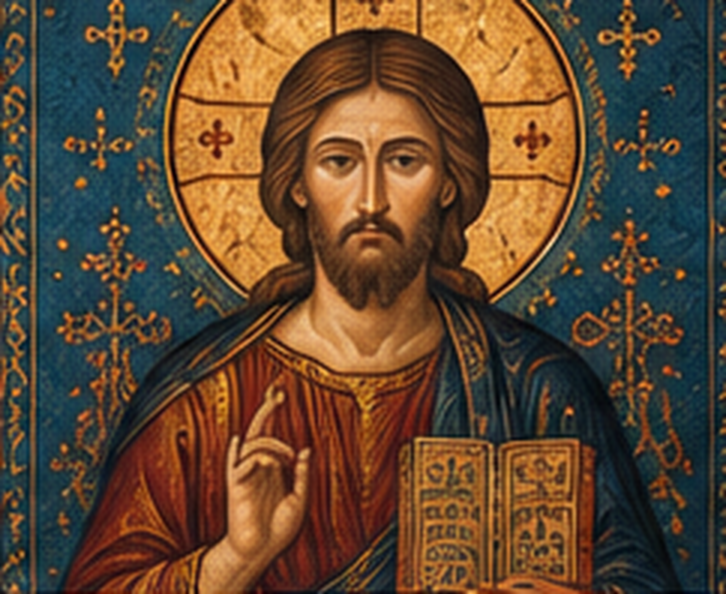
Icons and Church Architecture: Coptic churches often feature icons of Christ, Saint Mary and the saints. These sacred images have a role in the Church’s worship and devotional life; their placement and interpretation should be understood through Coptic Orthodox teaching rather than treated as decoration alone. Church architecture can include:
Sanctuary: The area where the altar is located, symbolizing Heaven.
Narthex: The entrance area of the church, where the faithful gather before entering the main worship space.
“Thus, says the Lord of hosts: ‘Consider your ways!’” , Haggai 1:5 (NKJV)
4. Coptic Spirituality
Prayer and Devotion: Daily prayer and devotion are central to Coptic spiritual life. The use of prayers, such as the "Jesus Prayer" and the "Agpeya" (Coptic Book of Hours), helps maintain a close relationship with God.
“Pray without ceasing.” , 1 Thessalonians 5:17 (NKJV)
Confession and Repentance: Confession is a vital sacrament in Coptic Christianity, allowing for spiritual healing and renewal. It is an opportunity to seek forgiveness and strengthen one’s relationship with God.
“If we confess our sins, He is faithful and just to forgive us our sins and to cleanse us from all unrighteousness.” , 1 John 1:9 (NKJV)
Conclusion
Coptic Christianity offers a profound and enriching spiritual journey through its traditions, rituals, and practices. By understanding these foundational elements, newcomers can better appreciate the depth of the Coptic faith and find meaningful ways to engage with its rich heritage. As you explore Coptic Christianity, may you find inspiration and growth in these timeless practices.
“Let everything that has breath praise the Lord. Praise the Lord!” , Psalm 150:6 (NKJV)
Build connection through repeated, low-pressure contact
Meaningful community often grows through repeated participation rather than one perfect event. Look for parish activities, service opportunities, cultural gatherings, young-adult events, and introductions through trusted friends. Follow the guidelines of each group and respect that people attend for many reasons, not all of them romantic.
Be clear and considerate when making introductions
If you want to introduce two people, ask both privately whether they are open to it. Share only basic information they have agreed to share, avoid pressuring either person, and accept a no gracefully. A thoughtful introduction creates an opportunity; it does not create an obligation.
Respect privacy and different seasons of life
Not every single person wants to date, and not every gathering should become a matchmaking exercise. Let friendships and community participation have value on their own. Avoid gossip about someone's relationship status and do not share personal details without permission.
Related Reading
Continue exploring these related guides: Planning Coptic Orthodox Weddings: Traditions, Meaning, and What to Expect and Celebrating Coptic Festivals: Traditions, Food, and Festivities.


Comments